FSS STREET SAFETY TRAINING:
Our Streets, our voice
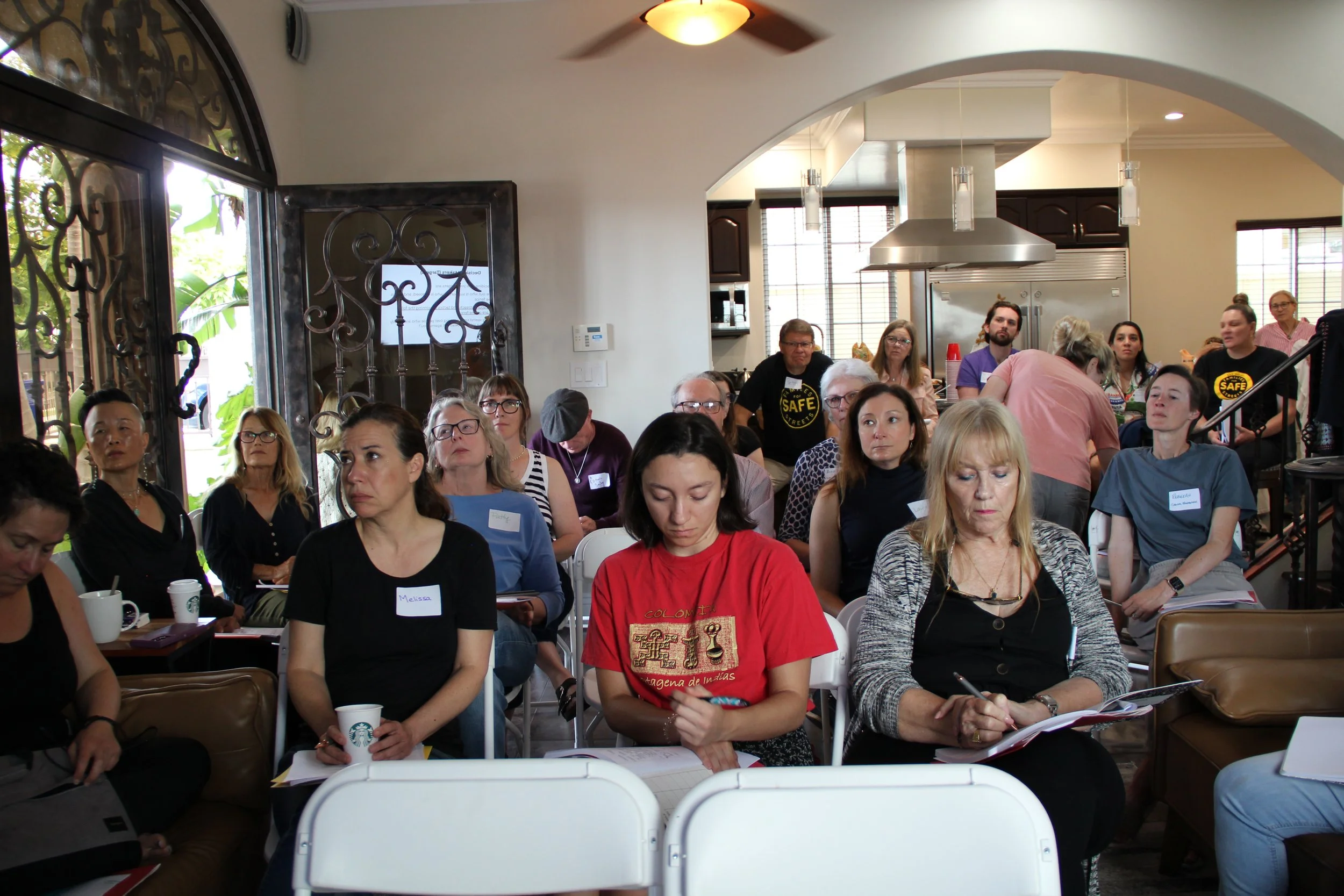
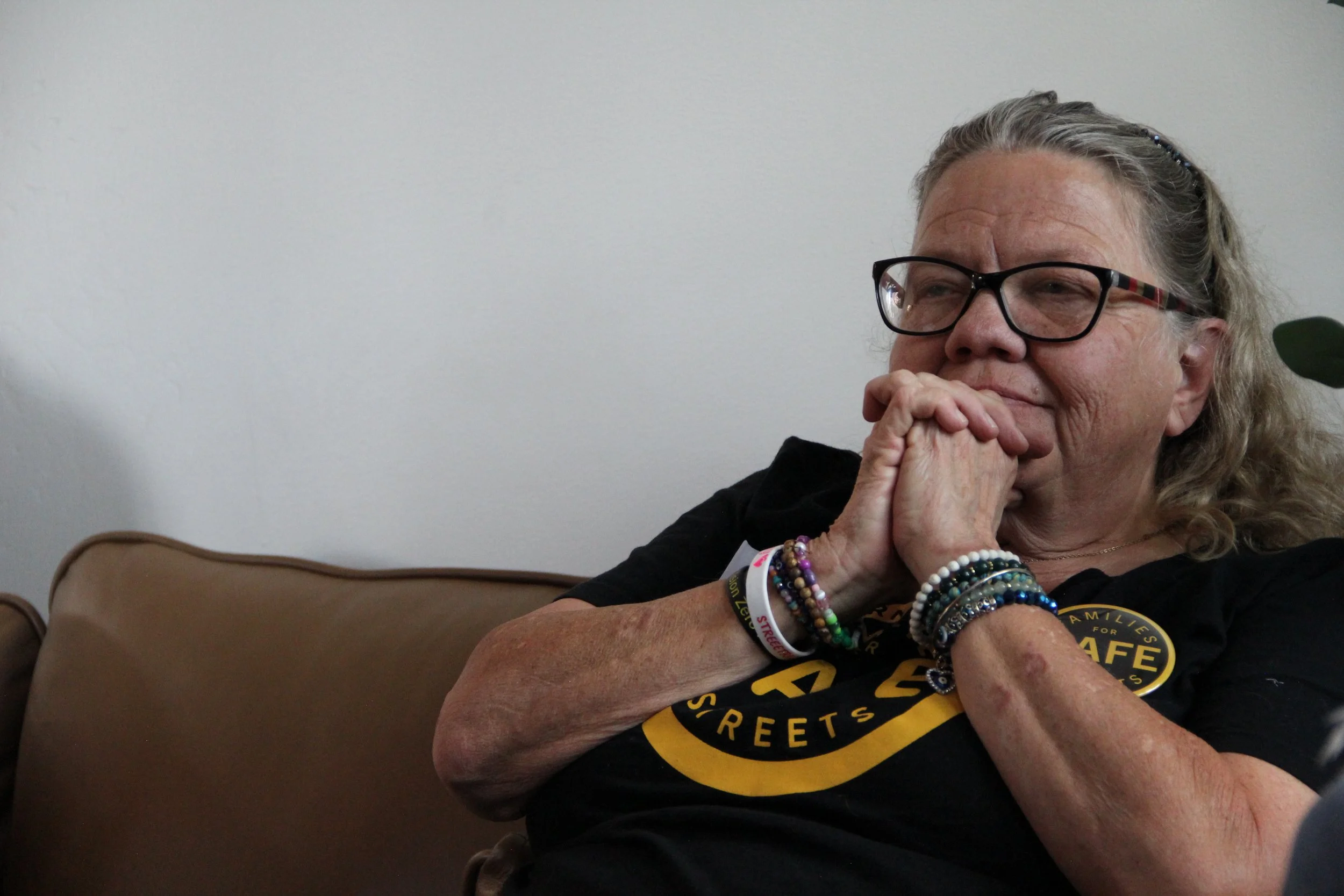
The Families for Safe Streets Cohort Training Series is a national advocacy training program created for people impacted by traffic violence. Rooted in lived experience and led by seasoned organizers, survivors, and chapter leaders, this series shares the lessons, tools, and strategies that have powered campaigns for safer streets across the country — from lowering speed limits and winning automated enforcement, to winning Complete Streets policies and building appetite for driver culture change.
Participants will gain practical skills to organize their communities, engage decision-makers, and build strong local chapters grounded in care and collective power. Whether you’re launching a new chapter, strengthening an existing one, or stepping into leadership for the first time, these trainings will help you turn grief into action and advocacy into lasting change — so every family can move safely in their community.
Sign up below to get notified about upcoming Ambassador and Chapter trainings. You can also check our calendar and sign up directly for any trainings already on the schedule.
FSS Ambassadors are members who have lost a loved one or been injured in a crash. If you do not have a chapter in your area but want to engage in advocacy, join our training to learn how to make legislative and policy change in your community.
Local/state organizations that advocate for safe streets policies are encouraged to connect with local crash victims/survivors and participate in our training to learn how to start a chapter.
Our Streets
·
OUR VOICE
·
Our Streets · OUR VOICE ·
training overview
fSS Foundations
01. Families for Safe Streets: Our History, Mission, Vision, Values, and Theory of Change
This training introduces Families for Safe Streets—who we are, how we began, and why our work matters. Participants learn how the experiences of families and survivors drive our mission to prevent traffic violence and save lives. We also explain our core values and our theory of change: how organizing, storytelling, and policy advocacy work together to create safer streets. This session helps ground everyone in a shared purpose and direction.
02. The FSS Policy Approach & Safety Science Basics
This training breaks down how Families for Safe Streets approaches policy change and what safety science tells us about preventing crashes. Participants learn why traffic violence is predictable and preventable, and why systems—not individual mistakes—are the focus of our advocacy. We introduce key concepts like speed, street design, and accountability in plain language. The goal is to help members feel confident talking about safety solutions that actually save lives.
Building Strong Chapters & Communities
03. Setting Up a Chapter for Success
This training focuses on what it takes to build a strong, sustainable local chapter. Participants learn about basic structure, leadership roles, and healthy group practices. We discuss how to center care for impacted families while also moving campaigns forward. By the end, participants understand how to create a chapter that is welcoming, organized, and effective.
04. Member Outreach and Support
This training is about growing and caring for your community. Participants learn best practices for welcoming new members, especially people newly impacted by traffic violence. We cover how to provide peer support, set clear expectations, and avoid burnout. The session emphasizes that strong relationships are the foundation of lasting change.
05. Coalition Building
This training explores how to work with other organizations and community groups to build power. Participants learn how to identify potential partners, align around shared goals, and navigate differences. We discuss how coalitions can amplify impacted voices and win bigger changes than any group could alone. The focus is on collaboration rooted in trust and respect.
Campaign Strategy & Power Mapping
06. Picking a Campaign
This training helps participants decide what to fight for and how to focus their energy. We walk through how to identify problems, choose winnable goals, and define clear demands. Participants learn how to align campaigns with community needs and organizational capacity. The goal is to move from passion to a clear, strategic plan.
07. Campaign Planning
This training goes deeper into turning an idea into an action plan. Participants learn how to set goals, timelines, and tactics that build pressure over time. We introduce tools for tracking progress and adapting when things change. This session helps teams stay organized and intentional throughout a campaign.
08. Understanding Your Decision Maker
This training focuses on power—who has it and how to influence it. Participants learn how to research elected officials and agency leaders, understand their motivations, and identify points of leverage. We explain how relationships, public pressure, and timing all affect decision-making. The goal is to advocate more effectively and strategically.
09. Inside and Outside Strategy
This training explains how change often requires both “inside” and “outside” approaches. Participants learn the difference between working directly with decision makers and building public pressure through organizing and media. We discuss how these strategies support each other when used together. The session helps teams choose the right mix of tactics for their campaign.
Communications & Public Action
10. Media Training
This training helps participants use media to tell powerful, human-centered stories. Participants learn how to talk to reporters, craft clear messages, and connect personal experiences to policy solutions. We cover interviews, op-eds, and press events in accessible terms. The focus is on using storytelling to build public understanding and urgency.
11. Event Organizing
This training covers how to plan and run effective events, from small meetings to public actions. Participants learn how to set goals, plan logistics, and ensure events are safe and welcoming. We discuss how events can build community, honor victims, and move campaigns forward. The session emphasizes thoughtful planning and follow-through.
12. Legislative Campaigning
This training focuses on how laws change—and how families and survivors can influence that process. Participants learn the basics of how a bill becomes law and where public input matters most. We cover meetings with legislators, hearings, and sustained advocacy over time. The goal is to demystify the process and empower members to push for lifesaving policies.
PolICY & LEGISLATIVE ACTION
WHAT SETS US APART
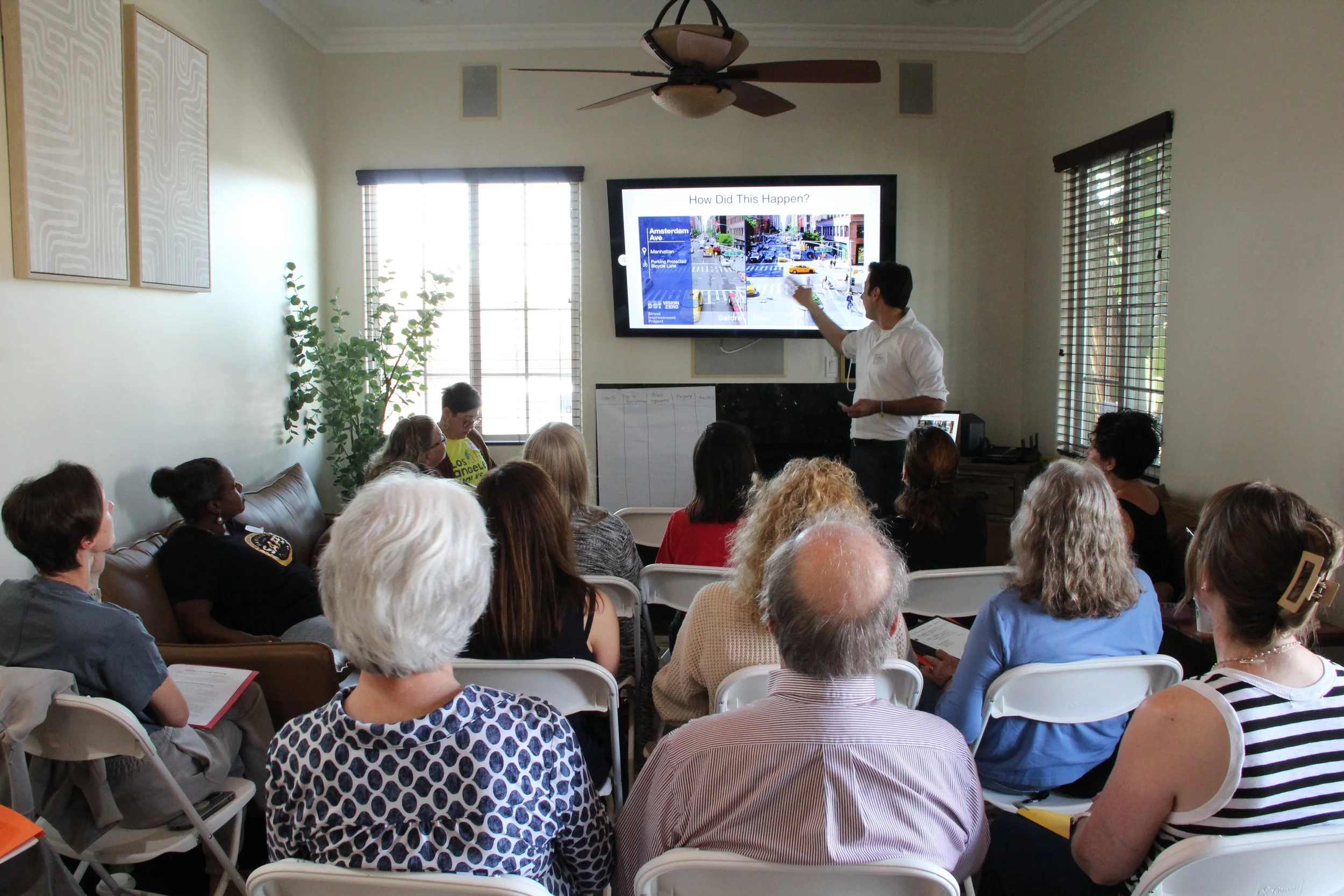
The Families for Safe Streets Cohort Training Series is different because it is built by people who have lived through traffic violence — not just studied it. Our trainings are grounded in the real experiences of families and survivors who have turned grief into action and policy change. That lived expertise shapes everything: from how we talk about safety science to how we build campaigns, support new members, and hold space for meaningful support alongside advocacy.
What sets us apart is the integration of heart and strategy. Participants don’t just learn theory — they gain practical tools to launch campaigns, influence decision-makers, work with media, build coalitions, and strengthen local chapters. We connect safety science to storytelling. We connect organizing to healing. We connect personal experience to systemic change.
You should join these trainings if you want more than inspiration — if you want structure, strategy, and community. This series provides shared language, proven frameworks, and a national network of support. Together, we move from isolated voices to collective power — and from tragedy to transformative change.